From the first tasting to the feature story
Food Public Relations for Restaurants and Food and Beverage Brands
Food public relations for restaurants, packaged food and beverage brands: food media, tastings, launches and creator partnerships. Start a conversation.
Food public relations has one advantage almost no other category enjoys: the product can be tasted. A writer who tries a dish, sips a new spirit or opens a package at their desk forms an opinion in seconds. The job is to make sure that moment happens with the right people, at the right time, with a story behind it worth retelling.
At 360 Narrative, our founder Elyse Segall’s career has included culinary and lifestyle accounts, and brands Elyse and the team have represented include Krispy Kreme, Evian and Devotion Vodka. Today our senior team brings that background together with media relations, influencer partnerships, advertising, digital and search for restaurants, hospitality groups and packaged food and beverage brands.
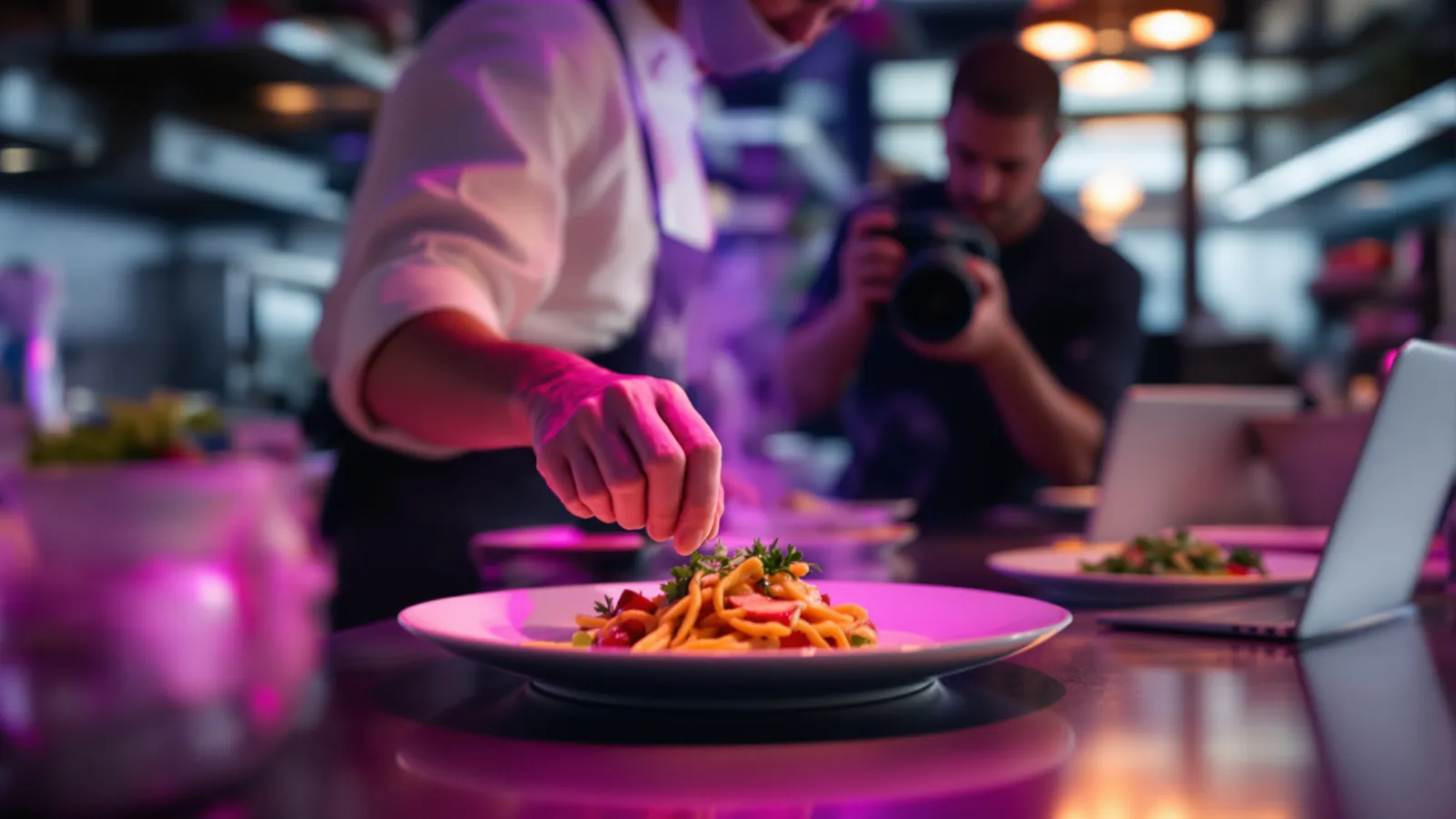
Food public relations earns media coverage and word of mouth for restaurants, chefs, packaged foods and beverage brands. It covers pitching food writers and producers, organizing tastings and media visits, planning openings and product launches, managing creator partnerships with clear disclosure, and preparing for problems such as health inspections, recalls or viral complaints.
Restaurants, Packaged Goods and Beverages Need Different Playbooks
People often talk about food PR as one thing. In practice, a new restaurant, a snack brand heading into grocery and a spirits label launching in a new state face very different media and very different timelines.
| Restaurants and hospitality | Packaged food | Beverages and spirits | |
|---|---|---|---|
| Main media | Local food writers, city magazines, broadcast, local creators | Food and lifestyle editors, trade and grocery press, national outlets | Drinks writers, lifestyle press, trade outlets, bartender communities |
| Key moment | Opening, new chef or menu, seasonal events | Retail launch, new flavor, distribution news | Market entry, new expression, seasonal cocktail angles |
| What sells the story | The people, the place, the dish worth a trip | Taste, a real point of difference, availability | Origin, process, how it is enjoyed |
| Watch for | Inspection results, staff issues, reviews | Labeling and nutrition claims, recalls | Responsible marketing and age-appropriate audiences |
Our food public relations plans start by being clear about which of these you are, because the outlets, the calendar and the risks follow from it.
Many businesses straddle categories. A restaurant group may launch a sauce for retail, or a beverage brand may open a tasting room. When that happens, each part of the business gets its own media list and timeline, coordinated so the stories support each other instead of competing for the same writers in the same week.
What Food Writers and Producers Need From You
Food media is busy and generous at the same time. Writers want to discover something good and tell readers about it, but they have limited time and many invitations. A pitch gets attention when it makes their work easier.
- A real story. A chef’s background, a family recipe, a sourcing decision, a regional tradition, a problem the product solves. “We are opening” is news only to you.
- Good visuals. Professional photos of the food, the space and the people, ready to use. For broadcast, a dish or drink that looks good on camera and can be prepared in a few minutes.
- Accurate details. Hours, a current menu, availability, retailers, and how to pronounce the names.
- A way to taste it. A visit, a sample, a tasting with the chef or founder present.
- Respect for independence. Critics often visit anonymously and pay their own way. We never pressure a reviewer, and we make it easy for writers to do their jobs on their own terms.
When producers book a cooking or product segment, they also want someone who can speak clearly and handle a live kitchen moment. That is where media training pays off.
Chefs and founders as voices
The most durable food public relations assets are often people. A chef with a clear point of view on local seafood, a founder who can explain why her product exists, a beverage maker who can talk about process: these voices get invited back for seasonal segments, panels, podcasts and expert quotes. We help develop them through thought leadership and speaking opportunities, so coverage does not depend on having a new announcement every month.
Tastings, Previews and Media Visits That Work
Tastings are the heart of most food public relations programs, and they are easy to get wrong, usually by trying to impress too many people at once. A crowded opening party with loud music and passed bites rarely produces thoughtful coverage. Smaller, focused moments usually do better.
Formats we use
- Intimate media previews: a handful of writers before the doors open, with time to talk to the chef or owner.
- One-on-one visits: scheduled tastings for individual writers or producers at a time that suits them.
- Desk-side samples: for packaged goods and beverages, carefully packed product with a short, useful note.
- Demonstrations: a chef or mixologist showing technique, ideal for broadcast and video creators.
Details that matter
Ask about dietary restrictions in advance. Keep the guest list small enough that the chef or founder can spend real time with each writer, because those conversations are where the best story angles surface. Have the team that will actually cook on the line. Prepare short, accurate background notes. Follow up within days with images and facts, not a request for coverage. Writers remember the restaurants that made their job easy, and the ones that did not.
Common mistakes we steer clients away from
- Inviting media before the kitchen is consistent, so the first impression is a bad night
- Serving a tasting menu that does not reflect what regular guests will eat
- Overloading a preview with speeches and a slideshow
- Sending samples with no context, then following up with “did you get it?”
- Asking a writer to post or publish as a condition of the invitation

Planning a Restaurant Opening With Food Public Relations
Openings carry the most pressure and the most opportunity. The goal is not just a burst of attention on day one but a steady stream of reasons for people to come back in the first months, when habits form.
- Months before: settle the story and positioning. Who is the chef, what is the concept, why here, why now? Prepare bios, photography and a fact sheet.
- Weeks before: share early news with key local writers, including the concept, chef and opening window. Line up a soft-opening plan so the kitchen is ready before media visit.
- Opening: host small previews, announce the opening date, and invite carefully chosen creators where appropriate.
- First months: pitch follow-up angles: a signature dish, a brunch launch, a collaboration, a seasonal menu, a community partnership.
Timing rarely goes exactly to plan. Construction delays and permit timelines move dates, so we keep announcements flexible until the opening is certain. Promising a date and missing it erodes goodwill with the same writers you need later.
Opening-stage food public relations also needs basics in place before the first story runs: a working website with the menu, hours and reservations link, accurate map listings, and someone assigned to answer press and guest questions quickly. Coverage that sends hungry readers to an empty listing is coverage wasted.
Further reading: PRSA Code of Ethics.
Launching Packaged Food and Beverage Brands
For consumer packaged goods, food public relations supports a retail plan. Coverage matters most when shoppers can actually find the product, so timing with distribution is critical.
Before launch
Lock down the story, the point of difference and any claims. Nutrition, health, organic or sourcing claims need to be accurate and consistent with your labeling, and your regulatory advisers should review them. Prepare sample kits and confirm which retailers and regions will carry the product.
At launch
Pitch food and lifestyle editors with samples and a clear angle. Trade and grocery press can cover distribution news and the business story. National outlets look for a broader trend or a genuinely new idea.
After launch
New flavors, seasonal editions, retailer expansions and founder stories keep the brand in the conversation. Creator partnerships can extend reach with honest, hands-on content, managed through our influencer relations work with the clear disclosure the FTC expects for paid partnerships.
Consumer sampling
In-store demos, event sampling and partnerships with complementary brands put product in hands outside the media channel. They work best when they reinforce the same story the press is telling, and when the team can report what shoppers said. Feedback from sampling often becomes a pitch angle in its own right.
Beverage and spirits brands follow similar steps with an added layer: alcohol marketing should reach adults of legal drinking age and follow responsible marketing practices and applicable rules in each market.
Food Public Relations in South Florida
South Florida’s food scene is a story in itself. Miami’s dining reputation has grown steadily, the region’s Cuban, Caribbean and Latin American traditions shape menus across the area, and seafood, citrus and tropical fruit give local chefs distinctive material. Annual events such as the South Beach Wine & Food Festival bring chefs, food media and visitors together, and the Michelin Guide now includes a Florida edition covering Miami.
For restaurants and food brands here, a few things matter:
- Season. Winter brings visitors and seasonal residents. Openings and menu launches are often timed for it, and summer calls for different angles.
- Neighborhood identity. A restaurant in Wynwood, Coral Gables, Las Olas or downtown West Palm Beach speaks to different audiences.
- Spanish-language media. For many concepts, South Florida’s Spanish-language outlets reach core customers, and stories should be adapted thoughtfully rather than translated word for word.
- Tourism and hospitality press. Hotels and destination dining often overlap with travel coverage, covered on our travel and hospitality PR page.
Local creators deserve a mention too. Food content performs well across South Florida, and the right creator can introduce a new spot to exactly the neighborhood audience it needs. We vet creators for real local followings and clear disclosure habits before any partnership.
We also work with food and beverage brands nationally, using the same approach outside the region.
When Something Goes Wrong in the Kitchen
Food businesses face public problems other categories rarely do: a failed inspection, a foodborne illness complaint, a recall, a viral review, an allergen error, a staff dispute that goes public. Each can spread quickly, and how the business responds often matters more than the original event.
Preparation is far easier than improvisation. Our crisis communications team helps food clients prepare before anything happens:
- A response playbook with decision makers, legal contacts and approval steps
- Holding statements for likely scenarios
- Guidance on responding to reviews calmly and factually
- Coordination with health authorities and counsel when safety is involved
- Online reputation monitoring and recovery planning
In a real incident, safety comes first, statements stick to verified facts, and customers hear what is being done. Defensive or dismissive responses tend to extend the story. Clear ownership and visible action tend to shorten it.
The first hour usually decides the tone. Confirm the facts with the kitchen and management, pause anything that could make matters worse, decide who speaks, and agree on a short statement that shows concern and describes the next step. Staff should know what to say if a guest or reporter asks. Then keep people updated on a predictable schedule until the issue is resolved, even if the update is simply that work is continuing.
How We Run and Measure Food Public Relations
Every program follows our five-step method: Listen, Position, Place, Amplify and Measure. We listen to owners, chefs and founders; position the story that will matter to food media and customers; place it through pitches, tastings and creator partnerships; amplify coverage through your website, email, advertising and search; and measure results in plain language.
We also keep the program honest about effort versus return. A single well-chosen feature can outperform a dozen brief mentions, and a quiet month spent fixing photography and menus may set up a much stronger next quarter. We explain those tradeoffs as we go.
Measurement for food clients focuses on what moves the business: reservations, foot traffic indicators, retailer interest, online sales, inquiries for private events and catering, and the quality of coverage rather than raw counts. If a tactic is not working, we say so and change it.
Search, reviews and AI recommendations
Diners increasingly decide where to eat by searching on their phones or asking AI assistants for suggestions. Coverage in respected food media feeds those answers, and a well-kept map listing, an accurate menu online and steady, honest reviews do the rest. Our search team works alongside the food public relations effort, so a strong article also helps you appear when someone nearby searches for exactly what you serve.
Reporting arrives as a short written summary: what ran, who it reached, what changed in the business, and what we plan next. No padded binders, and no impression totals presented as if they were customers.
Senior people work on every account from the first meeting. To talk about your restaurant, product or beverage brand, schedule a thirty-minute call. A senior member of the team will discuss your goals, your market and what has and has not worked, then outline a plan. You can also browse brands on our clients page.
Food Public Relations: Frequently Asked Questions
What is food public relations?
Food public relations is the practice of earning media coverage, reviews and word of mouth for restaurants, chefs, packaged foods and beverage brands. It includes pitching food writers and producers, organizing tastings and previews, planning openings and product launches, managing creator partnerships with proper disclosure, and preparing for issues like recalls or viral complaints.
How early should a restaurant start PR before opening?
Ideally a few months ahead. That allows time to settle the story, prepare photography and materials, and share early news with local writers. Because construction and permits often shift dates, we keep firm opening announcements until the date is certain, then follow with previews and a steady stream of angles in the first months.
Do food critics accept invitations from PR agencies?
Many critics visit anonymously and pay for their meals to keep reviews independent, and we respect that completely. Food writers working on features, trend stories and openings coverage often do welcome previews and tastings. A good agency understands the difference and never pressures reviewers about what they write. The best outcome is a writer who had a genuine experience and chose to share it.
Can PR help a packaged food brand get into stores?
PR does not replace a sales or distribution strategy, but credible coverage and a clear brand story can strengthen conversations with retail buyers and distributors. Trade and grocery press also cover distribution news. We time consumer outreach to match when shoppers can actually find the product.
Which food and beverage brands has your team worked with?
Brands Elyse and the team have represented in food and beverage include Krispy Kreme, Evian and Devotion Vodka. Elyse’s earlier agency career at DL Blackman and Co. also included culinary and lifestyle accounts. You can see the wider list of brands on our clients page.
Related
 IndustryTravel & Hospitality PR AgencyA travel PR agency for hotels, resorts, attractions and destinations: travel writers, press trips and South Florida's seasons. Schedule a call with…Read
 IndustryLifestyle Public RelationsLifestyle public relations for home, wellness, travel, food and beauty brands: gift guides, magazine features and TV segments. Let's talk soon.Read
 IndustryConsumer Products PR AgencyA consumer PR agency for product brands: retail launches, gift guide placement, product seeding and creator partnerships. Book a thirty-minute call.Read
 ServiceInfluencer Marketing AgencyAn influencer marketing agency that works both sides: brand campaigns and creator representation, vetting, contracts and FTC disclosure. Let's talk.Read
 MiamiMiami PR AgencyA Miami PR agency that knows English and Spanish-language media, the event calendar and the national desks. Talk with a senior team…Read
Explore more services, cities & industries
South Florida
- Miami PR Agency
- Fort Lauderdale PR Firm
- Miami SEO
- Miami Marketing Agency
- Miami Digital Marketing
- Fort Lauderdale SEO
- Fort Lauderdale Marketing Agency
- Fort Lauderdale Digital Marketing
- Boca Raton SEO
- Boca Raton Marketing Agency
- Boca Raton Digital Marketing
- West Palm Beach SEO
- West Palm Beach Marketing Agency
- West Palm Beach Digital Marketing
- Broward PR Agency
- Broward Web Design
- Pembroke Pines Web Design
- Davie Web Design
- Pompano Beach Web Design
- Miramar Web Design
- Coral Springs SEO
- Palm Beach Public Relations
- Palm Beach SEO
- Palm Beach Web Design
- Delray Beach SEO
- Delray Beach Web Design
- Delray Beach Digital Marketing Agency
- Jupiter Web Design
- Boynton Beach SEO
- Wellington SEO
Industries
- Lifestyle Public Relations
- Fashion Public Relations
- Beauty Public Relations
- Music PR Agency
- Sports Public Relations
- Entertainment PR Agency
- Tech PR Agency
- Crypto PR Agency
- Startup PR Agency
- Fintech PR Agency
- Healthcare PR Agency
- Book Publicist
- Personal Branding Agency
- B2B PR Agency
- Law Firm Public Relations
- Travel & Hospitality PR Agency
- Food Public Relations
- Nonprofit Public Relations
- Consumer Products PR Agency