Stages, panels and podcasts that build real authority
Speakers Bureau and Speaker Booking for Executives and Experts
A speakers bureau approach run by a PR team: positioning, conference and podcast placement, talk coaching and press after the event. Book a call.
A speakers bureau, in the way we run it at 360 Narrative, does more than send your bio to event organizers. We decide which rooms are worth your time, build the talk that earns the slot, coach you until it lands, and then turn the appearance into coverage, content and follow-up conversations.
Most executives and experts already know they should be speaking. The problem is that invitations arrive at random, the wrong panels eat entire days, and good talks vanish once the applause stops. Our approach treats every stage as part of a larger communications plan, run by the same senior people who handle your media relations.

A speakers bureau finds, pitches and books speaking opportunities for a person, then supports the talk itself. At 360 Narrative, speaker placement sits inside a full PR team, so we handle positioning, conference and podcast bookings, talk development and coaching, award submissions and post-event press as one plan instead of separate vendors.
What a Speakers Bureau Does When It Sits Inside a PR Agency
Traditional booking agencies, the classic speakers bureau model, represent professional keynote talent and earn their keep on paid engagements. That model works for celebrities and career speakers. It works less well for a founder, a physician, a chief financial officer or a subject matter expert whose real goal is credibility with buyers, investors, partners or recruits.
When the speakers bureau function lives inside a communications agency, the question changes from “where can we get you paid to talk?” to “which audiences matter to the business, and which stages put you in front of them?” Sometimes that is a large industry conference. Often it is a forty-person invite-only breakfast, a trade association panel, or a podcast whose listeners are exactly the people who sign contracts.
Here is what the work includes with us:
- Speaker positioning and bios: the one idea you own, written into a short bio, a long bio and a session abstract organizers can paste straight into their programs.
- Conference and panel placement: research on calls for proposals, direct outreach to programming committees and moderators, and submissions written to their criteria.
- Podcast and broadcast bookings: pitches to hosts and producers built around a specific episode idea rather than a generic availability note.
- Talk development and coaching: structure, stories, slides and rehearsal.
- Awards submissions: where recognition programs fit your field and timeline.
- Post-event media outreach: turning what you said on stage into interviews and bylines.
Choosing Stages: The Questions We Ask Before Pitching Anything
A calendar full of appearances is not the goal. Every slot takes preparation time, travel and attention, so we screen opportunities before anyone writes a pitch. The first step in our method is Listen, and for speaker work that means understanding who you need to influence over the next twelve months.
| Question | Why it matters |
|---|---|
| Who is actually in the room? | Attendee titles matter more than attendance size. Two hundred decision makers beat two thousand browsers. |
| What format is it? | Keynote, fireside chat, panel, workshop and podcast each reward different strengths. |
| Is press present or recorded? | Recorded sessions and covered events extend the life of the appearance. |
| What does the organizer need? | Programming committees want fresh angles and speakers who promote their own sessions. |
| What happens afterward? | A stage with no follow-up plan is a missed opportunity, so we plan the after before the during. |
In South Florida that screening often weighs events with a regional audience, such as eMerge Americas for technology and venture conversations, against national trade conferences in your vertical. Neither is automatically better. The right choice depends on where your buyers and partners actually spend their time.
We also look at the cumulative picture. Three appearances in front of the same small community can build more familiarity than three scattered across unrelated events, because people start to recognize your name and argument. A good speakers bureau plan repeats exposure on purpose, varying the format so the message stays fresh while the audience stays consistent.
How Speakers Bureau Pitches Get Read by Programming Committees
Calls for proposals are competitive, and committees read submissions quickly. They are usually looking for three things: a topic their audience has not heard ten times, a speaker with the standing to deliver it, and evidence the session will be practical rather than a sales presentation in disguise.
Our speakers bureau pitches are built to answer those three things in the first paragraph. A typical submission includes a title that states a clear point of view, a two-sentence abstract, three learning outcomes written in plain language, and a bio that shows why you specifically are the person to deliver this talk. We avoid buzzwords because reviewers skim past them.
Direct outreach versus open calls
Open calls are only part of it. Many strong panel seats are filled by moderators and programming leads who need a voice with a particular perspective, and they fill them weeks before an agenda is published. We reach those people directly with a short note and a specific suggestion: the session they are building, the gap on the panel, and the angle you would bring.
Timing
Large conferences often close proposals months ahead of the event. Podcasts and local business forums move faster. A good plan mixes both so you have visible appearances early while longer-lead bookings mature.
Building a Talk People Remember and Repeat
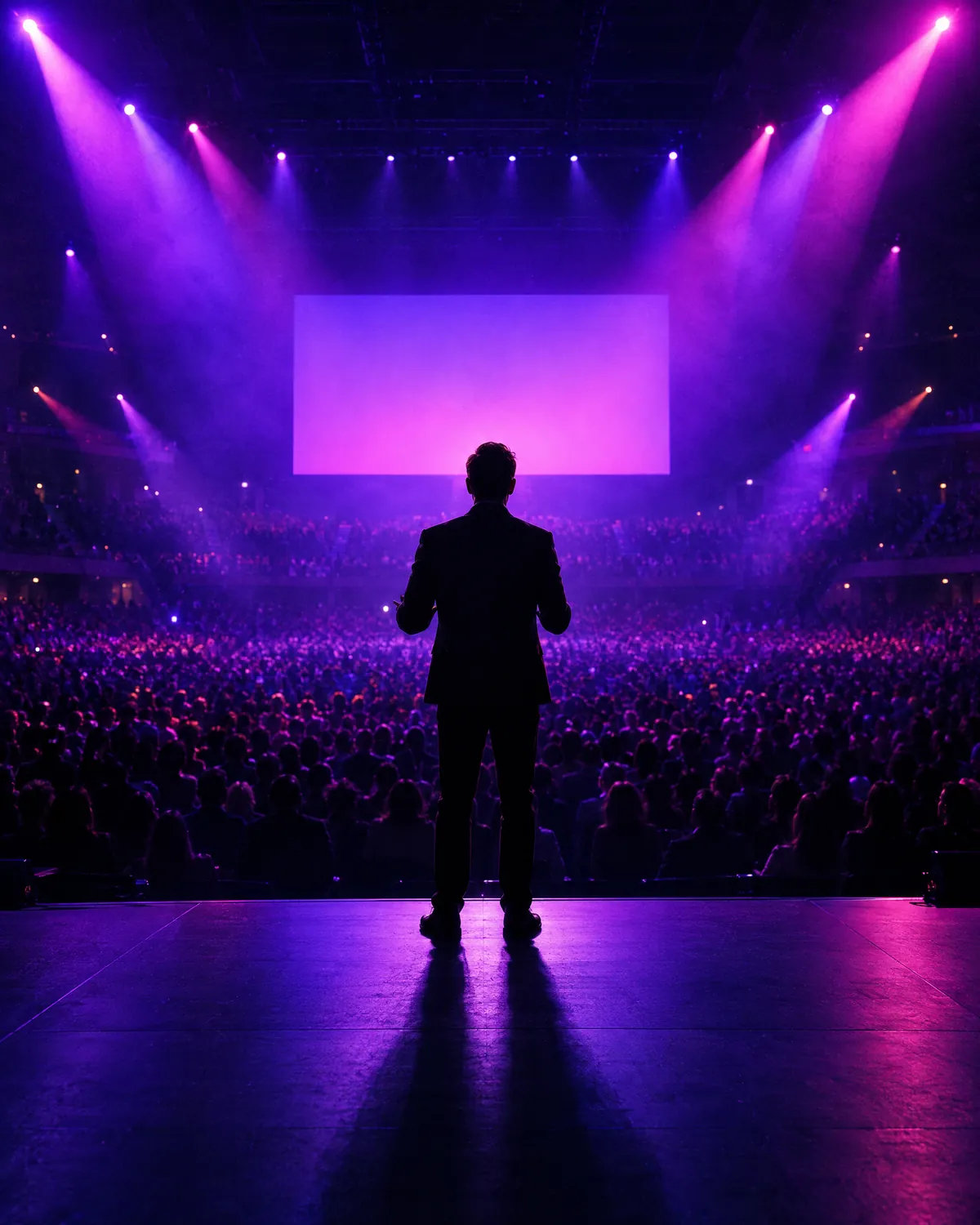
Getting booked is half the job. A talk that rambles, overloads slides or reads like a pitch deck can do more harm than staying home. Talk development is where our PR background shows, because we write for the person in the audience who will later be asked, “What did that speaker say?”
- One sentence first. Before any slide exists, we agree on the single idea the audience should repeat afterward.
- Three supporting points. Each gets a story, an example or a piece of evidence you can stand behind.
- Stories from your own work. Specific moments from your own experience carry more weight than borrowed quotes or stock statistics.
- Slides that support, not script. Few words, clear visuals, nothing you need to read aloud.
- Rehearsal with pressure. We run timed rehearsals, interrupt with hard audience questions and practice the transitions where speakers usually lose the room.
For panels, preparation looks different. We prepare two or three crisp positions you can return to, a short anecdote for each, and a plan for handling a moderator who drifts off topic. The same media training principles apply: answer the question, bridge to your point, and stop talking.
Further reading: PRSA Code of Ethics.
Podcasts and Broadcast: The Fastest Growing Stage
For many executives, podcasts now deliver more qualified attention than conference ballrooms. The listener chose the episode, often hears the full conversation, and can find it months later. Producers and hosts, though, receive a steady stream of guest pitches, most of them generic.
What a producer needs is simple, and it is the reason a speakers bureau pitch for a podcast must look different from a conference submission: a guest who fits the show, a topic that suits their audience this season, and confidence the guest will be a good conversationalist. Our pitches name an episode concept, list three questions the host could ask, and point to a short clip or written piece that shows how you think. That is the same discipline Elyse Segall built across twenty-five years of working with producers, editors and reporters at the national level.
Broadcast bookings follow similar logic with shorter timelines. A local morning show or business segment needs a timely hook, a clear expert angle and someone who can deliver it in a few minutes. We prepare you to be useful in that window and to stay on message under time pressure.
One practical habit helps more than any other: after each recorded conversation, we ask the host for the publish date and any clips they plan to release. That lets us line up our own promotion for the same week, share the episode with reporters who cover your topic, and pull a short excerpt for your website. A booking becomes an asset you keep using long after the microphones are off.
Turning One Appearance Into Months of Visibility
The talk itself is a single moment, and most of its value comes afterward. What separates our speakers bureau work from a simple booking service is everything that happens around it. In our method, this is the Amplify step.
- Before the event: a short announcement, outreach to reporters who cover the conference or your industry, and coordination with organizers who want speakers to help promote sessions.
- At the event: arranged interviews with trade reporters, photography and short video where the venue permits it.
- After the event: the core argument becomes a byline or op-ed through our thought leadership program, a press note where the news justifies it, and follow-up material your sales or partnership team can actually use.
This is also where speaking feeds the rest of your communications. A panel quote becomes a pitch angle. A strong keynote becomes the basis for an award submission. A podcast episode gives reporters a way to hear how you sound before they call. Planning these steps in advance is the difference between an appearance and a campaign.
Who Our Speakers Bureau Service Is Built For
We work with people whose expertise is real and whose business benefits when more of the right people hear it. That typically includes:
- Founders and CEOs building a company story for buyers, investors and recruits, often alongside startup PR.
- Senior executives representing a larger organization at industry events and analyst gatherings.
- Physicians, attorneys, financial professionals and other experts in regulated fields, where we keep claims careful and within the rules of the profession.
- Authors and consultants who need stages that reinforce a book or a body of work, paired with a personal brand plan.
Our approach is not a fit for someone who only wants paid keynote fees and has no wider communications goal. We will tell you that directly, because straight answers are part of how we work. If speaking is the wrong lever for your goals right now, we will say so and suggest what will move the needle instead.
A note on regulated fields
Speakers in healthcare, finance and law carry extra responsibility on stage. A physician should not drift into what sounds like individual medical advice, a financial professional should avoid anything that reads as a recommendation to a specific listener, and attorneys in Florida answer to the Florida Bar’s rules on advertising when they speak publicly about their practice. We build those boundaries into the talk outline and rehearsal, so you can be direct and interesting without creating a compliance headache afterward.
A Typical First Ninety Days of Speakers Bureau Work
Every engagement starts with a thirty-minute call about goals, market and what has and has not worked. From there, the first three months of speakers bureau work usually follow a predictable rhythm, adjusted to your calendar and industry.
Weeks one to three: Listen and Position
We interview you, review past talks, recordings and articles, and talk to whoever on your team owns sales or partnerships. The output is a positioning statement, two or three signature talk topics, refreshed bios and a target list of conferences, associations, podcasts and programs, ranked by audience fit.
Weeks four to eight: Place
Proposals and pitches go out in waves. Faster-moving opportunities, especially podcasts and regional business forums, are pitched first so you have something on the calendar early. Longer-lead conference submissions follow, timed to their published deadlines.
Weeks nine to twelve: Prepare and Amplify
As bookings confirm, talk development and rehearsal begin, and we build the promotion and follow-up plan for each appearance. By the end of the quarter you should have a working speakers bureau pipeline: some appearances done, more confirmed, and a clear view of which outlets respond to your topics.
Because the same team runs your public relations, nothing in that pipeline is handled in isolation. A booked keynote shapes the next press pitch, and a strong interview shapes the next speakers bureau proposal.
How We Measure Speakers Bureau Results
The last step in our method is Measure, and for speaking we report in plain language tied to business outcomes rather than vanity totals. That means tracking which appearances produced follow-up meetings, inbound inquiries, introductions, media interviews or content you reused, and which ones did not.
Over a few months, patterns emerge. Perhaps trade association panels generate partnership conversations while large expo stages mostly produce badge scans. Perhaps one podcast audience converts far better than the rest. We use those patterns to shift where we pitch next, so the speakers bureau effort keeps getting more efficient rather than repeating the same submissions every season.
To talk through your goals and the audiences you need to reach, start with a thirty-minute call with a senior member of our team, or read more about who we are and the full range of our speaking engagement services.
Speakers Bureau: Frequently Asked Questions
What is the difference between a speakers bureau and a PR agency?
A traditional speakers bureau represents professional speakers and books paid engagements. A PR agency focuses on reputation and media coverage. At 360 Narrative the two are combined: we place executives and experts on stages that serve their business goals, then use those appearances to generate press, thought leadership and follow-up opportunities, all planned by one senior team.
Do you only book paid keynote speaking engagements?
No. Most of our speaker placement work focuses on stages that build credibility with the right audience, such as industry conferences, trade association panels, podcasts and broadcast segments. Some of those are paid and many are not. We choose opportunities based on who is in the room and what the appearance can do for your reputation and pipeline.
How far in advance should I plan conference speaking?
Large industry conferences often accept proposals many months before the event, so planning a year ahead is sensible for major stages. Podcasts, local business forums and broadcast segments move much faster, sometimes within weeks. We build a calendar that combines both, so you have visible appearances early while longer-lead submissions are still being reviewed.
Can you help me write and rehearse my talk?
Yes. Talk development and coaching are part of the service. We help you settle the single idea the audience should remember, build three supporting points with real stories, simplify slides, and rehearse with timing and tough questions. For panels, we prepare short positions and practice handling moderators and audience questions so you stay clear and concise.
Do you work with speakers outside South Florida?
Yes. We are based in South Florida and know the regional event calendar, including gatherings like eMerge Americas, but we place speakers on national trade conferences, podcasts and broadcast programs across the country. The process is the same wherever the stage is: positioning first, targeted outreach second, preparation and amplification after the booking.
Related
 ServiceThought LeadershipThought leadership built on a real point of view: bylines, op-eds, expert commentary, podcasts and keynotes. Talk to our senior team about…Read
 ServiceMedia TrainingMedia training for executives and spokespeople: TV, print, podcast and hostile interview drills that build message discipline. Book a call.Read
 IndustryPersonal Branding AgencyA personal branding agency for founders, executives and experts: positioning, bios, media, speaking and the search results for your name. Book a…Read
 ServicePublicistWhat a publicist actually does each day, how pitching works, what month one looks like and how to judge one. Book a…Read
 ServiceCorporate CommunicationsCorporate communications for South Florida companies: announcements, executive messaging, leadership changes and newsrooms. Book a thirty-minute call.Read
Explore more services, cities & industries
South Florida
- Miami PR Agency
- Fort Lauderdale PR Firm
- Miami SEO
- Miami Marketing Agency
- Miami Digital Marketing
- Fort Lauderdale SEO
- Fort Lauderdale Marketing Agency
- Fort Lauderdale Digital Marketing
- Boca Raton SEO
- Boca Raton Marketing Agency
- Boca Raton Digital Marketing
- West Palm Beach SEO
- West Palm Beach Marketing Agency
- West Palm Beach Digital Marketing
- Broward PR Agency
- Broward Web Design
- Pembroke Pines Web Design
- Davie Web Design
- Pompano Beach Web Design
- Miramar Web Design
- Coral Springs SEO
- Palm Beach Public Relations
- Palm Beach SEO
- Palm Beach Web Design
- Delray Beach SEO
- Delray Beach Web Design
- Delray Beach Digital Marketing Agency
- Jupiter Web Design
- Boynton Beach SEO
- Wellington SEO
Industries
- Lifestyle Public Relations
- Fashion Public Relations
- Beauty Public Relations
- Music PR Agency
- Sports Public Relations
- Entertainment PR Agency
- Tech PR Agency
- Crypto PR Agency
- Startup PR Agency
- Fintech PR Agency
- Healthcare PR Agency
- Book Publicist
- Personal Branding Agency
- B2B PR Agency
- Law Firm Public Relations
- Travel & Hospitality PR Agency
- Food Public Relations
- Nonprofit Public Relations
- Consumer Products PR Agency