Positioning, media, speaking and search for leaders
Personal Branding Agency for Founders, Executives and Experts
A personal branding agency for founders, executives and experts: positioning, bios, media, speaking and the search results for your name. Book a call.
A personal branding agency helps a founder, executive or expert become known, accurately and credibly, by the people who matter to their work. Not followers for their own sake, but investors, clients, boards, event organizers and journalists who look you up and decide in a few minutes if you are worth their time.
At 360 Narrative, personal branding is built from real communications work: positioning, a strong bio, earned media, speaking engagements and a first page of search results that reflects who you are. One senior team runs all of it together.

A personal branding agency defines what you want to be known for, writes your bios and core messages, earns media coverage and bylines, places you as a speaker, and improves what appears when people search your name. The goal is credibility with specific audiences, built through third-party proof rather than self-promotion.
Start With the Search Bar: What People Find When They Look You Up
Before a board meeting, an investor call, a keynote invitation or a big hire, someone types your name into a search engine. Increasingly they also ask an AI assistant who you are. What comes back is your personal brand, planned or not.
Try it yourself, in a private browser window so your own history does not shape the results. Look at the first page and ask:
- Is the first result something you control and would choose?
- Is your title, company and focus described correctly and consistently?
- Do any results belong to someone else with the same name?
- Is there any credible third-party coverage: an interview, a byline, a panel, a podcast?
- Is there anything outdated, inaccurate or unflattering that a stranger might see first?
Most executives find a thin page: a company bio, an old profile, maybe a conference listing from years ago. That gap is the opportunity. A personal branding agency closes it with real substance, not filler.
Ask an AI assistant too
Ask two or three AI assistants who you are and what you are known for. Note what they get right, what they get wrong and what they leave out. Answers are often outdated, mix you up with someone else or describe a role you left years ago. Those errors usually trace back to thin or inconsistent information online, and they tend to improve as accurate, credible material accumulates.
Who a Personal Branding Agency Is Built For
The people who get the most from this work tend to fall into a few groups:
| Who | Why it matters to them | Where we usually focus first |
|---|---|---|
| Founders raising capital or selling | Investors and buyers judge the founder as much as the company | Positioning, business press, a credible search page |
| New CEOs and senior executives | Employees, boards and partners look them up in week one | Bio, announcement, early interviews, speaking |
| Doctors, lawyers, advisors and other experts | Clients choose the person, not just the practice | Expert commentary, bylines, search results |
| Authors, coaches and speakers | Their name is the product | Speaking placement, podcasts, media, search |
| Leaders after a setback | Old stories still rank and shape first impressions | New, accurate coverage and reputation management |
Regulated professions add rules. Lawyers in Florida must follow the Florida Bar’s attorney advertising rules in public statements, and healthcare professionals must avoid medical advice in media and protect patient privacy. We plan within those limits from the start.
Personal branding is not always the right priority. If your company has no clear positioning yet, or you are about to change roles, a personal branding agency may tell you to wait a few months. Building a public profile around a message that will change soon wastes your time and confuses your audience. We will say so if that is the case.
Positioning: The One Sentence Everything Else Depends On
Most leaders can list what they do. Fewer can say, in one sentence, what they want to be known for and why anyone should listen. That sentence is the core of personal brand positioning, and every bio, pitch and talk grows from it.
We build it through the first two steps of our method, Listen and Position:
- Interviews. Your career, your opinions, the problems you solve, the stories you tell at dinner and the subjects you are tired of discussing.
- Audience. Who needs to know you: investors, customers, recruits, event organizers, journalists or peers.
- Territory. Two or three subjects you can speak on with authority and a point of view, not ten you can merely discuss.
- Proof. The experience, results and stories that back up each claim, stated honestly.
- Boundaries. Topics you will not comment on, and how your personal profile fits with your company’s brand.
This stage is where most of the hard thinking happens. Leaders often discover that the subject they assumed was their strength is crowded with louder voices, while a narrower view drawn from their own experience has almost no competition. Narrow is good, and it rarely limits you for long: once you are known for one thing, invitations to speak on neighboring subjects tend to follow on their own. Editors and event organizers remember the person who owns one clear idea far longer than the person who can talk about everything.
The result is short: a positioning statement, a few message points and a list of stories. It is also what makes later media and speaking work efficient, because everyone knows what you stand for.
What a positioning statement looks like
Here is an illustrative example, not a real client. A Boca Raton surgeon-turned-founder might land on: “She explains how surgeons can bring new devices to market without losing sight of the patient, drawing on years in the operating room and the hard lessons of launching a company.” It names a territory, an audience and a reason to listen. Every pitch, bio and talk from a personal branding agency should trace back to a sentence like that.

The Bio in Three Lengths
A bio is the most-read document in personal branding and usually the most neglected. Event organizers, producers and reporters copy it directly. A personal branding agency should give you versions for every use:
- One line. For podcast intros, panel listings and author boxes. Name, role and the one thing you are known for.
- One paragraph. For conference programs, press releases and speaker pages. Adds your credentials and a sense of perspective.
- Full page. For your website and press kit. Career story, notable work, media and speaking history, and what you are working on now.
Each version is written in the third person, checked for accuracy and kept current. We also prepare a short spoken introduction that a host can read aloud without stumbling, plus current headshots and a list of topics you can speak on. Those few pages remove friction from every opportunity that follows.
Bio mistakes we fix most often
- Listing every job in order instead of leading with what you are known for now
- Buzzwords that say nothing, such as “visionary” or “thought leader”
- Different titles and spellings across your site, profiles and event pages
- Achievements stated without enough detail to be believed
- A headshot from a decade ago
Further reading: PRSA Code of Ethics.
Media: Earning Third-Party Credibility
What other people publish about you carries more weight than anything you publish about yourself. That is why media relations sits at the center of our personal branding work, run by the same team that handles our public relations.
Expert commentary
Reporters need sources who can explain a development quickly and clearly. We position you as one for the subjects in your territory, and prepare you to respond on deadline.
Bylines and thought leadership
Articles under your name in trade and business publications show how you think. We help develop the ideas, shape drafts in your voice and place them. Our thought leadership page explains that process in more depth.
Profiles and interviews
Longer pieces about you or your company come when there is a story: a founding, a turnaround, a bold bet, a lesson learned. We find that story and pitch it to the outlets your audience reads.
Preparation
Before any interview, we brief you on the outlet and reporter, rehearse key points and difficult questions, and debrief afterward. Formal media training is available for broadcast and higher-stakes interviews.
Media work also needs patience. Not every pitch lands, and a quiet month does not mean the strategy has failed. Reporters often save a good source for a later story. We keep a record of every conversation so relationships build over time, and we adjust angles based on what editors tell us rather than repeating what did not work.
Speaking: Rooms, Stages and Microphones
Speaking puts you in front of exactly the audience you chose, for twenty or forty minutes, with your name on the program. It also generates material: video, photos, quotes and coverage that strengthen everything else.
Our speaking engagement work covers:
- Speaker positioning, bios and topic descriptions organizers can use as written
- Research into conferences, panels and industry events where your audience gathers
- Applications, pitches and follow-up with event organizers
- Podcast and broadcast bookings that fit your territory
- Talk development and coaching, from first outline to rehearsal
- Awards submissions where you have a genuine case
- Post-event media outreach so the talk reaches people who were not in the room
We usually build a speaking sequence: smaller rooms and podcasts first, where you can sharpen the message, then larger stages as your material and confidence grow. Our speaker booking page describes how we place speakers in more detail.
For leaders based in South Florida, regional events offer a practical starting point. Conferences such as eMerge Americas in Miami draw technology and business audiences, and chambers, industry associations and university programs across the region host panels throughout the year. A personal branding agency should know which rooms fit your territory and which are simply busy.
How a Personal Branding Agency Shapes Your Search Results
Search results for your name are where all of this work collects. Our SEO team treats them as a project with a clear goal: the first page should describe you accurately, show your best work and make it easy for someone to take the next step.
That usually involves:
- A strong owned page. A personal site or a detailed bio page on your company site, structured so search engines understand who you are.
- Consistent profiles. Professional profiles on major platforms with the same name, title and description. We write the copy for them; you keep control of the accounts.
- Earned coverage. Interviews, bylines and speaking pages that rank because credible sites published them.
- Disambiguation. If someone else shares your name, clear, distinct content helps search engines and AI assistants tell you apart.
- AI search visibility. AI assistants draw on credible, consistent information. Accurate bios and real coverage give them the right material to describe you.
If old or inaccurate results are a problem, our reputation management team builds a plan to correct what can be corrected and outrank what cannot, using real, accurate content.
What a personal branding agency should never do
Some shortcuts are tempting and backfire. We do not buy followers, write fake reviews, create anonymous pages praising you, or pay for placements dressed up as independent coverage. Journalists, investors and search engines are good at spotting these, and discovery damages exactly the credibility you are trying to build. Everything we produce is accurate and attributable to you or to the outlet that published it.
Working With Our Personal Branding Agency Team
Our agency was founded by Elyse Segall, whose two and a half decades in New York and national media taught her what producers, editors and reporters look for in a source. She has worked across entertainment, beauty, healthcare, technology and lifestyle, including running media for television personality Judge Hatchett, and founded PR Revolution before 360 Narrative. Her full story is on our about page.
That background is useful for personal brands because it joins media, speaking, search and crisis planning under one senior team. Your positioning drives every channel, and the same people who wrote your bio pitch your story and prepare you for the interview.
When your brand and your company’s brand meet
For executives, a personal profile should strengthen the company, not compete with it. We coordinate messages with your communications or marketing team, agree on which topics belong to you and which to the company, and plan for transitions such as a sale or a new role. Our corporate communications work often runs alongside a leader’s personal branding for exactly this reason.
Most engagements with our personal branding agency team run on a twelve-month horizon, since credibility builds over time:
| Period | Focus |
|---|---|
| Months 1 to 3 | Positioning, bios, headshots, owned page, profile copy, first media pitches and speaking applications |
| Months 4 to 6 | Steady expert commentary, first bylines, podcasts and smaller stages |
| Months 7 to 12 | Larger stages, feature interviews, awards where earned, search results reviewed and refined |
Each month you get a plain-language report on what ran, what is booked and how your search page has changed. No jargon, no padded charts. Book a thirty-minute call through our contact page. You can also call 516.901.9095; one of our senior people will respond within one business day.
Personal Branding Agency: Frequently Asked Questions
What does a personal branding agency do?
It helps an individual become known for specific expertise by the audiences that matter to them. The work covers positioning and messaging, bios and press materials, media relations and bylines, speaking engagements, and the search results for your name. Good agencies focus on credible third-party proof such as coverage and speaking rather than self-promotion.
Do you manage my social media accounts?
No. We do not run social accounts. We write the positioning, bios and profile descriptions you can use across platforms, and our media, speaking and search work gives you real material worth sharing. You keep full control of your own accounts and voice.
How long does it take to build a personal brand?
Foundations such as positioning, bios and an owned web page take a few weeks. Media coverage, speaking slots and changes to search results build over months, because editors and event organizers plan ahead and credibility accumulates. Most clients think in terms of a year, with visible progress each month.
Is personal branding right for executives at private companies?
Often, yes. Customers, partners, recruits and future investors still look up the people behind a private company. A credible public profile helps with hiring, sales and fundraising. The work is coordinated with the company’s own communications so the executive and the brand reinforce each other rather than competing.
Can you fix negative search results about me?
We can often improve them. We correct inaccurate listings where possible and build accurate, credible content such as coverage, bylines, speaking pages and a strong personal site that can outrank outdated results. We cannot remove legitimate news, and we will be honest about what is realistic for your situation.
Related
 ServiceThought LeadershipThought leadership built on a real point of view: bylines, op-eds, expert commentary, podcasts and keynotes. Talk to our senior team about…Read
 ServiceSpeakers Bureau & Speaker BookingA speakers bureau approach run by a PR team: positioning, conference and podcast placement, talk coaching and press after the event. Book…Read
 ServiceMedia TrainingMedia training for executives and spokespeople: TV, print, podcast and hostile interview drills that build message discipline. Book a call.Read
 ServiceReputation ManagementReputation management for companies and leaders: search results, AI answers, reviews and earned coverage that tells the current story. Start a conversation.Read
 ServicePublicistWhat a publicist actually does each day, how pitching works, what month one looks like and how to judge one. Book a…Read
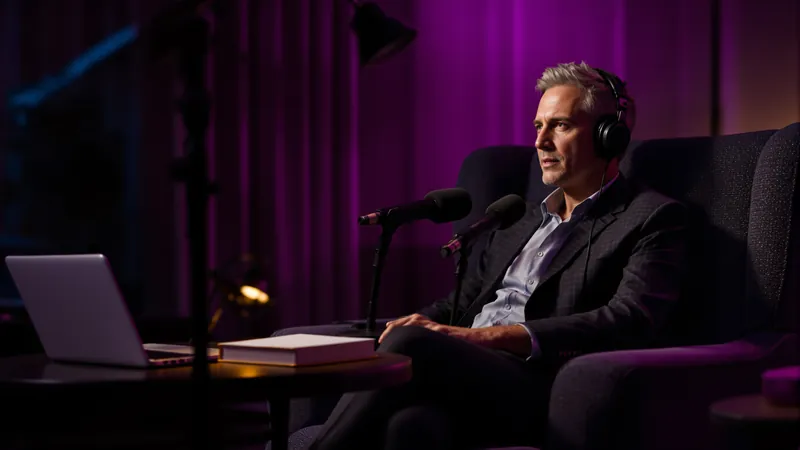 IndustryBook PublicistA book publicist for authors who want media, podcasts, radio and speaking built around a launch and beyond. Start with a thirty-minute…Read
Explore more services, cities & industries
South Florida
- Miami PR Agency
- Fort Lauderdale PR Firm
- Miami SEO
- Miami Marketing Agency
- Miami Digital Marketing
- Fort Lauderdale SEO
- Fort Lauderdale Marketing Agency
- Fort Lauderdale Digital Marketing
- Boca Raton SEO
- Boca Raton Marketing Agency
- Boca Raton Digital Marketing
- West Palm Beach SEO
- West Palm Beach Marketing Agency
- West Palm Beach Digital Marketing
- Broward PR Agency
- Broward Web Design
- Pembroke Pines Web Design
- Davie Web Design
- Pompano Beach Web Design
- Miramar Web Design
- Coral Springs SEO
- Palm Beach Public Relations
- Palm Beach SEO
- Palm Beach Web Design
- Delray Beach SEO
- Delray Beach Web Design
- Delray Beach Digital Marketing Agency
- Jupiter Web Design
- Boynton Beach SEO
- Wellington SEO
Industries
- Lifestyle Public Relations
- Fashion Public Relations
- Beauty Public Relations
- Music PR Agency
- Sports Public Relations
- Entertainment PR Agency
- Tech PR Agency
- Crypto PR Agency
- Startup PR Agency
- Fintech PR Agency
- Healthcare PR Agency
- Book Publicist
- Personal Branding Agency
- B2B PR Agency
- Law Firm Public Relations
- Travel & Hospitality PR Agency
- Food Public Relations
- Nonprofit Public Relations
- Consumer Products PR Agency