Launches, editors and seeding, handled by senior people
Beauty Public Relations for Skin Care, Hair Care and Personal Care Brands
Beauty public relations for skin, hair and personal care brands: editor relationships, product seeding, launches and creator partnerships. Let's talk.
Beauty public relations rewards patience and punishes shortcuts. Editors test products for weeks before writing about them, long-lead magazines plan issues months ahead, and a vague claim on a press release can sink a story before it starts. The brands that earn steady coverage are usually the ones with a clear story, a well-timed calendar and samples in the right hands.
At 360 Narrative, beauty work draws on the background of our founder, Elyse Segall, whose career has included beauty, personal care and dermatology accounts in New York. Brands Elyse and the team have represented include Salon Grafix, Conair, Nu Skin, Healthy Hair Nutrition and Renova. Today that experience sits alongside a full senior team covering press, influencer partnerships, advertising, digital and search.
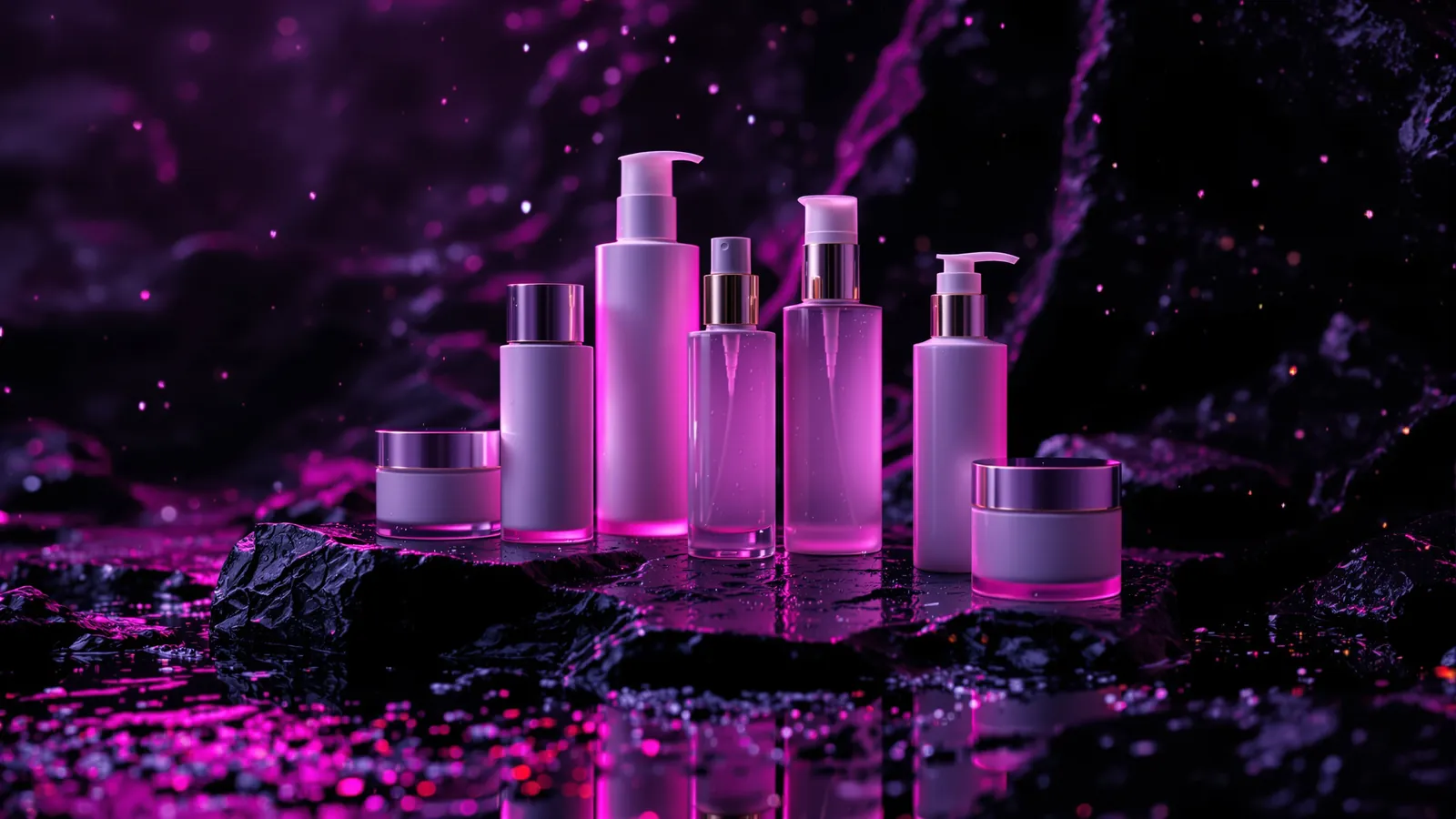
Beauty public relations is the work of earning editorial coverage and credible endorsement for skin care, hair care, cosmetics and personal care brands. It includes pitching beauty editors, sending product for review, planning launches around editorial calendars, managing creator partnerships with proper disclosure, and keeping every product claim accurate and supportable.
How Beauty Editors Actually Decide What to Cover
Beauty desks receive more products than they could ever test, which is why good work here starts with understanding the editor rather than the product. Boxes stack up, inboxes fill with launch announcements, and most of it never gets opened with real attention. Understanding what moves an item from the pile to the page is the core skill in this field.
In our experience, editors respond to a few consistent things:
- A clear reason it matters now. A new formulation, an ingredient trend with substance behind it, a seasonal need, or a fresh answer to a common problem.
- A fit with a story they are already writing. Roundups, problem-and-solution pieces and seasonal guides are planned in advance. A product that slots neatly into one gets considered.
- Results they can see for themselves. Editors and their testers want to try the product. Samples should arrive ready to use, with plain instructions.
- Facts they can verify fast. Ingredients, sizes, availability and the founder or formulator behind the product, all in one place.
A short, specific pitch connecting your product to a story the editor is likely planning will outperform a polished announcement nobody asked for.
What a good beauty pitch looks like
Our beauty public relations pitches are short. A subject line that names the angle, not the brand. An opening sentence that connects to something the editor covers. Two or three lines on what the product does and why it is different, written in the language a reader would use. Availability and a clear offer: a sample, an interview with the founder, or high-resolution images. Then we stop. Editors appreciate brevity because it respects their time, and it makes the follow-up easier to read too.
We also tailor each pitch. An editor who writes about curly hair gets a different note than one covering anti-aging skin care, even for the same product. That takes longer, and it is the reason the emails get answered.
Planning Beauty Public Relations Around Editorial Calendars
Timing is the most common mistake we see. A brand launches in March, then pitches spring stories that were finalized long before. Good beauty public relations works backward from when you want coverage to appear.
| Outlet type | Typical planning window | What to send |
|---|---|---|
| Monthly print magazines | Several months before the issue date | Product samples, imagery, launch details, founder story |
| Digital beauty and lifestyle sites | Weeks, sometimes days | Timely angles, availability, quick-turn expert quotes |
| Broadcast and morning shows | Days to weeks | Visual demonstrations, seasonal hooks, a spokesperson ready to go |
| Trade and retail press | Varies by publication | Distribution news, business milestones, executive commentary |
Planning windows vary by outlet, so we confirm them as we build your calendar instead of assuming. The practical result is a launch plan where samples reach long-lead editors early, digital pitches follow closer to availability, and broadcast opportunities are prepared with a demo and a trained spokesperson.
Seasonal moments help too. In South Florida, heat and humidity make summer hair and sun care natural angles, and events such as Miami Swim Week draw attention to swim, sun and body care each year.
Holiday gift guides deserve their own plan. Many are assembled earlier than brands expect, and editors favor items with a clear gifting angle, an accessible format and reliable availability. Beauty public relations calendars that treat gift guide season as a separate campaign, with its own list and timing, tend to see better results than ones that tack it onto the end of the year.
Product Seeding That Gets Products Used, Not Shelved
Seeding means sending products to editors, stylists, makeup artists and creators so they can try them. Done carelessly, it wastes inventory. Done well, it creates the first honest opinions about a product, and those opinions drive coverage.
- Build a short list, not a long one. Fifty carefully chosen recipients who cover your category beat five hundred names pulled from a database.
- Ask before sending when possible. A quick note offering the product respects the recipient and confirms the right shade, hair type or skin concern.
- Make the package useful. Full-size where it matters, clear instructions, and a one-page fact sheet. Elaborate packaging rarely matters as much as brands hope.
- Follow up with something new. Not “did you get it?” but a relevant angle, a founder interview offer or an update that gives the recipient a reason to write.
- Track who tried what. Seeding notes become the backbone of future outreach.
When creators are involved, gifted products and paid partnerships are different things. We are clear about which is which from the start, and we make sure anyone with a material connection to your brand knows that the FTC expects clear disclosure.

Claims, Ingredients and the Credibility Test
Beauty is full of bold promises, and editors have grown skeptical of them. Overstated claims can also create regulatory problems, particularly where a cosmetic starts to sound like it treats a medical condition. Careful language protects both your brand and the story.
Elyse’s background includes directing media for dermatology products such as Retin-A Micro and Renova at Mosaic Health, an Omnicom company in New York. That kind of work teaches discipline about what can and cannot be said publicly. In practice, our approach includes:
- Reviewing every press material against what your product claims are actually supported by
- Avoiding medical language for cosmetic products unless your regulatory team has approved it
- Preparing a founder, formulator or dermatologist spokesperson who can explain ingredients clearly without overpromising
- Keeping before-and-after imagery honest and properly described
None of this replaces your own regulatory and legal review. It does mean the stories we pitch can survive an editor’s fact-check, which is what keeps them running.
The same care applies to popular marketing words like clean, natural, non-toxic and dermatologist recommended. Editors increasingly ask what those words mean for a specific product. If the answer is fuzzy, the word comes out of the pitch. A precise, modest claim backed by evidence reads as more confident than a sweeping one, and it holds up when a reporter calls your formulator with questions.
Further reading: FTC guidance on disclosing paid partnerships.
Launch Planning for Beauty Brands, Step by Step
A product launch is the biggest moment in most beauty public relations programs. It is also where poor sequencing does the most damage. Here is how we typically structure one, using our five-step method.
Listen
We learn the product, the formulation story, the customer it is designed for, the retail plan and the competitive set. We also ask what has worked in past launches and what has not.
Position
We settle on a single, clear idea for the launch. Not five benefits, one memorable reason to care, supported by the facts.
Place
Long-lead editors get samples and story ideas first. Digital, broadcast and trade outreach follow as availability approaches. Where relevant, a press preview or editor appointment lets key writers try the product with the founder present.
Amplify
Coverage is shared with retailers and through owned channels, creator partnerships extend reach, and advertising or digital campaigns can carry the strongest messages further.
Measure
We report on coverage quality, message pickup, traffic and, where possible, sales signals, in plain language rather than inflated impression totals.
One more point on launches: build in a second wave. Editors who passed the first time may return when you share early customer response, a restock, a new shade or an expert endorsement. Beauty public relations that plans a deliberate follow-up four to eight weeks after launch often picks up stories the first round missed.
Creators, Stylists and Professional Voices
Beauty audiences trust people who use products for a living: hairstylists, makeup artists, estheticians and dermatologists, along with creators whose followers know their taste. Combining editorial coverage with these voices makes a brand feel established faster.
The two channels support each other. A creator video can show texture, application and results in a way print cannot, while an editorial mention gives a creator’s audience independent confirmation. In a well-planned beauty public relations program, creator content goes live after key editors have received samples, so the brand does not look like it is relying on paid voices alone.
Our influencer relations work covers identifying and vetting creators, negotiating terms, writing briefs, managing approvals and running campaigns. We look past follower counts to audience fit, engagement quality and whether a creator’s past content is consistent with your brand values. We do not run your brand’s social accounts. We manage creator partnerships and coordinate with whoever does.
Professional voices deserve special care. A stylist or esthetician quoted in a story should genuinely use and like the product, and any paid relationship should be disclosed. Editors notice when an endorsement feels arranged, and so do readers.
How we vet a creator for a beauty brand
- Does the creator’s audience match your customer by age, interests and skin or hair concerns?
- Do comments show real conversation, or only generic reactions?
- Has the creator promoted directly competing products recently?
- Does past content include claims or behavior your brand would not want associated with it?
- Are disclosure practices on past partnerships clear and consistent?
Beauty Public Relations Beyond the Launch
Launch coverage fades. Brands that stay visible keep feeding the press steady, credible reasons to come back. A year-round program might include:
- Seasonal angles built around climate, holidays and gift guides
- Founder and formulator thought leadership, including bylines and expert commentary on ingredient trends
- Awards submissions to credible beauty and industry programs
- Retail and distribution news for trade press
- Speaking opportunities on industry panels and podcasts
- Crisis preparation for product complaints, ingredient controversies or negative reviews that spread
Crisis preparation is worth a specific word. A reaction complaint that spreads online, an ingredient suddenly under scrutiny or a packaging error can move quickly. Brands with a prepared statement process, a named spokesperson and a clear chain of approvals respond in hours rather than days. Our crisis communications team builds that playbook before it is needed, so a bad week does not become a defining one.
Hair care, tools and devices
Hair care and beauty tools have their own rhythm. Stylists and salon professionals influence editors and consumers alike, demonstrations matter more than descriptions, and climate gives products a practical hook. Brands Elyse and the team have represented in this space include Salon Grafix, Conair and Healthy Hair Nutrition, and beauty public relations for these categories often leans on how-to angles, professional endorsements and broadcast segments where the result is visible on camera.
Search matters here too. People increasingly research ingredients and products online before buying, and they ask AI assistants for recommendations. Coverage in respected outlets supports both. Our search team helps make sure your site answers the questions shoppers actually ask.
Is a Beauty Public Relations Partner Right for You?
Beauty public relations works best as a partnership with clear expectations on both sides. We work well with founder-led skin, hair, body and personal care brands that have a genuine product story and want senior attention, as well as established brands entering new categories or markets. We are less suited to brands that want promised placements or volume-only seeding with no strategy behind it.
If your product is not ready for editorial scrutiny yet, because claims need work or retail distribution is not set, we will say so and help you get there first. Straight answers are part of how we work.
What we need from you to start
- Product details, ingredient lists and the evidence behind each claim
- Launch dates, retail partners and realistic inventory for seeding
- A founder, formulator or expert who can give interviews
- Approved imagery, or the budget and time to create it
- An honest view of past PR efforts, including what disappointed you
To talk about your brand, schedule a thirty-minute call. A senior member of our team will discuss your goals, your market and what has and has not worked so far, then outline a plan. You can also explore related work in fashion public relations and lifestyle public relations.
Beauty Public Relations: Frequently Asked Questions
What does a beauty PR agency do?
A beauty PR agency earns editorial coverage and credible endorsements for skin care, hair care, cosmetics and personal care brands. Typical work includes pitching beauty editors, sending product for review, planning launches around editorial calendars, preparing spokespeople, managing creator partnerships and keeping product claims accurate. Good agencies also connect PR with digital, search and retail goals.
How far ahead should a beauty brand start PR for a launch?
Ideally several months before the product is available, because monthly magazines plan issues well in advance. That allows time to position the launch, prepare materials, and get samples to long-lead editors. Digital and broadcast outreach can happen closer to launch. Starting late does not ruin a launch, but it limits which outlets are realistic.
What is product seeding in beauty PR?
Product seeding is sending products to editors, stylists, makeup artists and creators so they can try them before writing or posting. Effective seeding uses a focused list, confirms the right shade or formula, includes clear information, and follows up with useful angles. When creators have a material connection to a brand, the FTC expects clear disclosure.
Can PR help a new beauty brand get into retail?
PR does not sell products into stores directly, but credible coverage, trade press and a clear brand story can strengthen conversations with retail buyers. Buyers often look at whether a brand has momentum and press attention. We coordinate PR timing with your sales plans so coverage supports the meetings that matter.
Which beauty brands has your team worked with?
Brands Elyse and the team have represented in beauty and personal care include Salon Grafix, Conair, Nu Skin, Healthy Hair Nutrition and Renova. Elyse also directed media for dermatology products including Retin-A Micro at Mosaic Health, an Omnicom company. You can see more brands on our clients page.
Related
 IndustryFashion Public RelationsFashion public relations for designers and labels: editors, stylists, sample trafficking, launches and Miami Swim Week planning. Start a conversation.Read
 IndustryLifestyle Public RelationsLifestyle public relations for home, wellness, travel, food and beauty brands: gift guides, magazine features and TV segments. Let's talk soon.Read
 ServiceInfluencer Marketing AgencyAn influencer marketing agency that works both sides: brand campaigns and creator representation, vetting, contracts and FTC disclosure. Let's talk.Read
 IndustryConsumer Products PR AgencyA consumer PR agency for product brands: retail launches, gift guide placement, product seeding and creator partnerships. Book a thirty-minute call.Read
 IndustryHealthcare PR AgencyA healthcare PR agency led by a founder who directed pharma media at an Omnicom company. Careful claims, patient privacy, real coverage.…Read
Explore more services, cities & industries
South Florida
- Miami PR Agency
- Fort Lauderdale PR Firm
- Miami SEO
- Miami Marketing Agency
- Miami Digital Marketing
- Fort Lauderdale SEO
- Fort Lauderdale Marketing Agency
- Fort Lauderdale Digital Marketing
- Boca Raton SEO
- Boca Raton Marketing Agency
- Boca Raton Digital Marketing
- West Palm Beach SEO
- West Palm Beach Marketing Agency
- West Palm Beach Digital Marketing
- Broward PR Agency
- Broward Web Design
- Pembroke Pines Web Design
- Davie Web Design
- Pompano Beach Web Design
- Miramar Web Design
- Coral Springs SEO
- Palm Beach Public Relations
- Palm Beach SEO
- Palm Beach Web Design
- Delray Beach SEO
- Delray Beach Web Design
- Delray Beach Digital Marketing Agency
- Jupiter Web Design
- Boynton Beach SEO
- Wellington SEO
Industries
- Lifestyle Public Relations
- Fashion Public Relations
- Beauty Public Relations
- Music PR Agency
- Sports Public Relations
- Entertainment PR Agency
- Tech PR Agency
- Crypto PR Agency
- Startup PR Agency
- Fintech PR Agency
- Healthcare PR Agency
- Book Publicist
- Personal Branding Agency
- B2B PR Agency
- Law Firm Public Relations
- Travel & Hospitality PR Agency
- Food Public Relations
- Nonprofit Public Relations
- Consumer Products PR Agency