Launches, samples, editors and the fashion calendar
Fashion Public Relations That Editors and Stylists Can Work With
Fashion public relations for designers and labels: editors, stylists, sample trafficking, launches and Miami Swim Week planning. Start a conversation.
Fashion public relations is a timing business. A monthly magazine shoots its holiday issue in summer. A stylist needs a dress in a specific size by Thursday and back by Monday. A swim label has one week in Miami to be seen by the right people. Brands that win coverage plan around those clocks, and brands that miss them wonder why great pieces never appear.
Our South Florida team that runs media relations, influencer relations, events and digital work together. Elyse Segall’s early career in New York spanned beauty, entertainment and lifestyle, and that rhythm of long-lead and short-lead media is second nature to us.
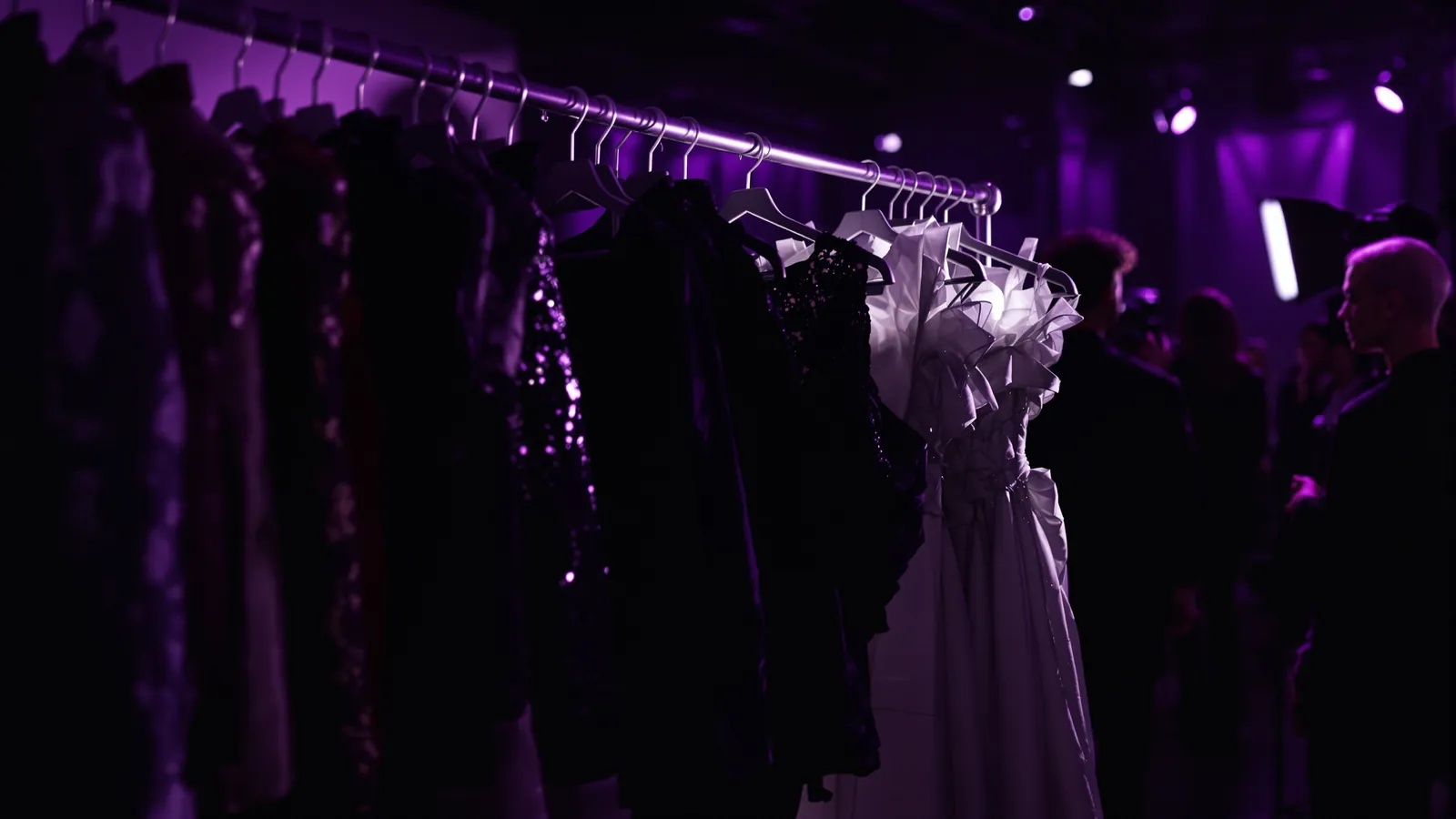
Fashion public relations earns editorial coverage, stylist placements and creator attention for designers, labels and retailers. The work includes long-lead and short-lead pitching, lookbooks and press materials, sample trafficking, launch events, market week planning, influencer partnerships and coverage reporting. Success depends on timing, relationships and having the right pieces available.
The calendar behind fashion public relations
Media in fashion runs on several clocks at once. Miss one and you can lose a season.
| Media type | Typical lead time | What they want from you |
|---|---|---|
| Monthly print magazines | Several months ahead | Lookbook imagery, a reason the collection fits a theme, samples for shoots |
| Digital fashion and shopping editors | Days to a few weeks | Product links, availability, clean product images, news hooks |
| Stylists for talent and editorial | Often days | Fast sample access in the right sizes and clear return terms |
| Broadcast and lifestyle segments | One to several weeks | Trends a host can demonstrate, a spokesperson, products on set |
| Creators | Flexible, tied to their content plans | Pieces that suit their audience and clear disclosure terms |
A practical plan works backward from the selling season. If spring pieces arrive in stores early in the year, the long-lead pitches go out the previous autumn, and the short-lead push lines up with availability. We build that schedule with you before a single email goes out.
The same calendar governs your own production. If samples arrive from the factory late, the long-lead window closes. Fashion public relations planning therefore starts with a frank conversation about when photography, samples and stock will actually be ready, not when everyone hopes they will be.
From lookbook to coverage: what editors need
Editors see hundreds of collections. What makes them stop is a clear point of view and materials that make their job easy.
- A strong lookbook. Clean, well-lit images, consistent styling and every piece labeled with name, colorways and availability.
- Product shots on a plain background. Shopping and roundup stories need these, and many brands forget them.
- A short brand story. Who designs it, why it exists and what makes it different, in a paragraph an editor can quote.
- Line sheet details. Sizes, materials, care and where to buy, so a fact-checker does not have to chase you.
- A newsroom page. A single place on your site where press can download everything. Our PR team builds press materials and newsrooms as part of the work.
Photography deserves its own line in your plan. Weak images are the most common reason a good collection is passed over, because editors cannot run what they cannot use. On-model shots, detail shots and flat lays each serve a different kind of story, and having all three ready saves days of back-and-forth when an editor is on deadline. Make sure usage rights for the images cover editorial and partner use, so nobody has to ask the photographer for permission at the last minute.
Then comes the pitch, which is short and specific to that editor’s beat. A swimwear editor and a menswear editor should never receive the same email.
Angles that tend to work
Editors respond to stories with a reason to exist now: a designer with an unusual path into the industry, a fabric or process that solves a real problem, a collaboration with an artist or a community, a collection tied to a moment in the culture, or a brand that fills a gap in sizing or fit. The best fashion public relations work finds that angle inside the brand rather than inventing one around it.
Angles that rarely work
Calling a collection timeless, effortless or luxurious says nothing on its own. Neither does announcing that a brand exists. If the only news is that new pieces are available, a short product note to shopping editors is more honest and more effective than a full press release.
Sample trafficking without the chaos
Samples are the currency of fashion public relations, and they go missing easily. A dress sent to a shoot and never returned is a painful loss for a small label. A disciplined system protects inventory and relationships.
How we manage samples
- Keep a live inventory of every sample, size and color, with photos.
- Log each request: who asked, for which story or client, ship date, due date.
- Send with a return label and a clear written note on return timing.
- Follow up before the due date, not after it passes.
- Track the outcome: whether the piece was shot, worn or published, so you know which requests turn into coverage.
Over a season, that record shows which outlets and stylists reliably credit and return pieces. Fashion public relations gets more efficient when you can see that history and direct your limited samples toward the people who use them well.
Gifting versus loaning
Some pieces are loans for a shoot. Others are gifts to creators or tastemakers. Both are legitimate, but they should be decided on purpose, recorded and, when the recipient posts about a gift, disclosed according to FTC guidance on material connections.

Stylists, talent and red carpets
A piece worn by the right person can do more than a full-page feature, because shoppers see it on someone they follow. Getting there is a relationship game with stylists, who dress talent for events, appearances and editorial shoots.
Stylists need speed, reliability and sizes that match their clients. They do not need long pitches, and they rarely have time to read them. A tight visual email with a few relevant pieces, a note on what is available now and a promise of quick turnaround works better than a full collection dump.
We also manage the follow-through. When a piece is worn, credits need to be confirmed, images cleared for use and the moment shared through your channels and with press.
Building stylist relationships over time
Most stylist relationships start small: one loan, returned on time, credited correctly. That reliability is remembered. Over a few seasons, a brand that is easy to work with becomes one of the first calls when a stylist needs something specific. We keep notes on each stylist’s clients, preferences and size needs so offers stay relevant instead of random.
Our influencer relations practice covers both brand partnerships and talent representation, so we understand what the people wearing the clothes need from the deal.
Further reading: FTC guidance on disclosing paid partnerships.
Fashion public relations in Miami and South Florida
South Florida has its own fashion economy, shaped by climate, travel and culture. Resort wear, swim, linen, light tailoring and bright color sell here year-round, and many shoppers are visitors who buy on vacation and remember the brand at home.
Miami Swim Week
Miami Swim Week brings swim labels, buyers, photographers, editors and creators into one city for a few crowded days. Runway slots and parties compete for the same attention. We help labels decide whether a show, a presentation, a private appointment or a creator event fits their goals, then line up press and buyer meetings in advance so the week produces relationships, not just photos.
Swim labels have the added challenge of season. Much of the country thinks about swimwear in spring and early summer, while South Florida wears it all year. A smart plan uses the Miami moment for industry attention and times national consumer pitches to when shoppers elsewhere are ready to buy.
Art Basel Miami Beach and the design scene
Every December, Art Basel Miami Beach draws collectors, media and tastemakers from around the world, and fashion and design brands often stage collaborations and events around it. The Miami Design District hosts many luxury boutiques year-round. Activations during this window need a genuine creative idea to stand out from the crowd. For fashion public relations, the measure of a Basel event is who came and what they wrote afterward, not how many people stood in line.
Bilingual audiences
Spanish-language media and Latin American shoppers are part of the market here, and Miami’s role as a gateway to Latin America brings regional buyers and press through the city regularly. Campaigns written for both audiences from the start reach further than ones translated after the fact.
Launches, events and market weeks
A launch should create a reason for coverage that did not exist before. That might be a new category, a collaboration, a designer’s personal story, a sustainability change you can document or a store opening. Without news, an event is just a party.
- Previews. Small appointments with editors before the public launch build anticipation and give long-lead media time to plan.
- Market weeks. New York Fashion Week in February and September remains the center of the industry calendar. Even brands that do not show can book meetings with editors and buyers in town.
- Pop-ups and trunk shows. These give local media and creators something to visit and photograph.
- Guest lists. A smaller room of the right editors, stylists, buyers and creators beats a crowded one where nobody can see the clothes.
- Post-event outreach. Sending images and a short recap to reporters who could not attend often produces coverage after the fact.
For brands that sell in stores, our advertising and digital teams can support launch windows with paid media and landing pages, so earned coverage meets a ready site and stocked inventory.
Launch week also benefits from search planning. When a story runs, readers search for the brand name and the product. A site with clear product pages, fast load times and a visible way to buy turns that curiosity into sales instead of losing it to a third-party reseller.
Protecting a fashion brand’s reputation
Fashion brands face specific risks: design copying disputes, sizing criticism, sustainability claims that are challenged, a creator partner who says something offensive or a production problem that becomes a story. Speed matters, and so does tone. A defensive statement can turn a small complaint into a news cycle.
We help brands prepare before anything happens: approved language for common questions, a clear owner for responses and an agreement on when to speak publicly and when to resolve things privately. Sustainability language deserves particular care. Claims such as eco-friendly or ethical should be specific and supported, because vague claims invite scrutiny. When something does go wrong, our crisis communications team handles statements, spokesperson coaching and media outreach.
Fashion public relations and reputation work also meet in the comments. Customers post about fit, quality and shipping in public. Responding promptly, fixing what is fixable and being honest about what is not tends to calm things far faster than silence or deletion.
Choosing a fashion public relations partner
When you compare firms, ask practical questions. Who will pitch your brand day to day? Which editors and stylists have they worked with recently? How do they handle samples? What do reports include? How do they decide which stories are worth pitching and which are not?
Ask, too, whether the firm handles more than press. Fashion public relations is stronger when the people pitching editors also coordinate creators, events, search and paid media, so a single message reaches shoppers through several doors at once. That is how our team is built.
Our approach follows five steps: Listen, Position, Place, Amplify, Measure. The people you meet in the pitch are the people who pitch your collection. Reports describe coverage, its audience and what it did for traffic and sales in plain language. If a collection lacks a story, we will tell you before you spend a season pitching it.
We also believe in measuring what matters. A placement in a national magazine is a fine moment, but we look further: referral traffic, search interest in the brand name, wholesale inquiries and sell-through on featured pieces. Those numbers show which outlets move your business.
Brands Elyse and the team have represented include beauty and style names such as Salon Grafix, Conair and Glamour Shots. For related work, see our beauty public relations and lifestyle public relations pages. Designers and labels can book a thirty-minute call with a senior member of our team by phone at 516.901.9095 or through the contact page.
On that call we cover your collection, your customer, your calendar and what has and has not worked in past seasons. You will get a plain answer on whether fashion public relations is the right next step for your brand now, or whether something else, such as product photography or a stronger website, should come first.
Fashion Public Relations: Frequently Asked Questions
What does a fashion PR agency do?
A fashion public relations agency earns coverage in magazines, digital outlets and broadcast, places pieces with stylists and talent, manages samples, plans launches and market week meetings, works with creators and reports results. Good agencies also protect the brand’s reputation when problems arise and coordinate PR timing with sales, inventory and paid media so attention turns into purchases.
How far in advance should fashion brands pitch magazines?
Monthly print magazines often plan several months ahead, so seasonal pitches go out long before pieces reach stores. Digital and shopping editors work much faster, often within days or weeks. A solid plan pitches long-lead outlets early with lookbook imagery and follows with short-lead outreach timed to availability, so both kinds of coverage support the selling season.
What is sample trafficking in fashion PR?
Sample trafficking is the process of lending clothing and accessories to editors, stylists and creators for shoots, events and appearances, then tracking them until they come back. It includes inventory records, request logs, shipping, return deadlines and follow-up. Careful trafficking protects expensive samples and shows which requests actually produced coverage.
Is Miami Swim Week worth it for a small swim brand?
It can be, if the goals are clear. Showing on a runway is one option, but private appointments, presentations and creator events can also put a small label in front of editors and buyers. The key is planning meetings before arriving, so the week produces relationships and coverage rather than only photos and expenses.
Do influencers need to disclose gifted clothing?
Yes, in general. The FTC expects creators to disclose material connections to a brand, and that includes free product as well as payment. Disclosures should be clear and easy to see. We include disclosure guidance in gifting notes and partnership agreements so creators and brands both understand the expectation.
Related
 IndustryBeauty Public RelationsBeauty public relations for skin, hair and personal care brands: editor relationships, product seeding, launches and creator partnerships. Let's talk.Read
 IndustryLifestyle Public RelationsLifestyle public relations for home, wellness, travel, food and beauty brands: gift guides, magazine features and TV segments. Let's talk soon.Read
 ServiceInfluencer Marketing AgencyAn influencer marketing agency that works both sides: brand campaigns and creator representation, vetting, contracts and FTC disclosure. Let's talk.Read
 MiamiMiami PR AgencyA Miami PR agency that knows English and Spanish-language media, the event calendar and the national desks. Talk with a senior team…Read
 IndustryConsumer Products PR AgencyA consumer PR agency for product brands: retail launches, gift guide placement, product seeding and creator partnerships. Book a thirty-minute call.Read
 ServicePublicistWhat a publicist actually does each day, how pitching works, what month one looks like and how to judge one. Book a…Read
Explore more services, cities & industries
South Florida
- Miami PR Agency
- Fort Lauderdale PR Firm
- Miami SEO
- Miami Marketing Agency
- Miami Digital Marketing
- Fort Lauderdale SEO
- Fort Lauderdale Marketing Agency
- Fort Lauderdale Digital Marketing
- Boca Raton SEO
- Boca Raton Marketing Agency
- Boca Raton Digital Marketing
- West Palm Beach SEO
- West Palm Beach Marketing Agency
- West Palm Beach Digital Marketing
- Broward PR Agency
- Broward Web Design
- Pembroke Pines Web Design
- Davie Web Design
- Pompano Beach Web Design
- Miramar Web Design
- Coral Springs SEO
- Palm Beach Public Relations
- Palm Beach SEO
- Palm Beach Web Design
- Delray Beach SEO
- Delray Beach Web Design
- Delray Beach Digital Marketing Agency
- Jupiter Web Design
- Boynton Beach SEO
- Wellington SEO
Industries
- Lifestyle Public Relations
- Fashion Public Relations
- Beauty Public Relations
- Music PR Agency
- Sports Public Relations
- Entertainment PR Agency
- Tech PR Agency
- Crypto PR Agency
- Startup PR Agency
- Fintech PR Agency
- Healthcare PR Agency
- Book Publicist
- Personal Branding Agency
- B2B PR Agency
- Law Firm Public Relations
- Travel & Hospitality PR Agency
- Food Public Relations
- Nonprofit Public Relations
- Consumer Products PR Agency